Dye Hair No Bleach: A Complete Guide to Vibrant Color Without Lightening
Choosing to change your hair color doesn’t always mean you have to go through the harsh process of bleaching. Dyeing hair without bleach—often called “no‑bleach coloring”—offers a gentler alternative that protects your strands while still delivering noticeable shade changes. This guide walks you through the why, what, and how of no‑bleach hair dye, so you can achieve beautiful results without compromising hair health.
Why Choose No‑Bleach Dyeing?
Bleaching strips the natural pigment from each hair shaft, which can leave hair dry, brittle, and prone to breakage. By skipping this step, you retain the protective cuticle layer, maintain moisture, and reduce the risk of damage. No‑bleach coloring is especially appealing for:
- Those with fragile or chemically‑treated hair.
- People who want a subtle shift rather than a dramatic transformation.
- Anyone looking to preserve the natural shine of their hair.
In addition, no‑bleach dyes often contain conditioning agents that help keep hair soft and manageable throughout the coloring process.
Understanding Color Theory for No‑Bleach Results
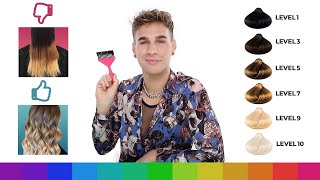
When you skip bleaching, the existing pigment in your hair will influence the final shade. Darker hair tends to mute bright colors, while lighter hair allows pigments to show more vividly. To predict outcomes, consider these basic principles:
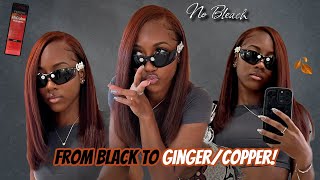
- Underlying Tone: Your natural hair color acts as a base. For example, a deep brown can turn a copper dye into a warm auburn.
- Color Intensity: Semi‑permanent and demi‑permanent dyes are the most reliable for no‑bleach applications because they deposit color without lifting.
- Contrast: High‑contrast colors (like bright reds on dark hair) may appear softer than expected. Choosing a shade that complements your base tone yields the most natural look.
Choosing the Right No‑Bleach Dye
Not all hair dyes are created equal. Look for products specifically labeled “no‑bleach,” “semi‑permanent,” or “demi‑permanent.” These formulas are designed to work on unlightened hair and typically contain fewer harsh chemicals. Key features to consider include:
- Ingredient Quality: Natural extracts such as aloe, argan oil, or chamomile can add extra nourishment.
- Color Range: While bright blues and pinks may require pre‑lightening, many shades of red, copper, mahogany, and subtle pastels work well on darker bases.
- Longevity: Semi‑permanent dyes usually fade within 4‑6 weeks, giving you flexibility to experiment without long‑term commitment.
Preparing Your Hair for No‑Bleach Dye
Proper preparation ensures even color absorption and reduces the chance of uneven patches. Follow these steps before you begin:
- Wash your hair with a clarifying shampoo 24‑48 hours prior to dyeing. This removes product buildup and opens the cuticle slightly.
- Skip deep conditioners on the day of coloring; excess moisture can dilute the dye.
- Detangle gently with a wide‑tooth comb to avoid breakage during application.
- If you have a new hair color, wait at least a week before applying a new shade to prevent overlapping chemical reactions.
Step‑by‑Step Application Process
Applying a no‑bleach dye is straightforward, but attention to detail makes a difference. Below is a practical workflow you can follow at home:
- Gather Materials: Dye kit, gloves, a non‑metallic bowl, a brush, and an old towel.
- Mix the Dye: Follow the manufacturer’s instructions exactly. Usually, this involves combining the colorant with a developer of 10‑20 volume.
- Section Your Hair: Divide hair into four to six sections, securing each with a clip. This helps you apply the dye evenly.
- Apply the Dye: Starting at the roots, work the mixture through each section, ensuring every strand is coated. Use the brush to massage the dye into the scalp for consistent coverage.
- Set the Timer: Most no‑bleach dyes require 20‑30 minutes. Use a timer to avoid over‑processing.
- Rinse Thoroughly: Rinse with cool water until the water runs clear. Avoid shampooing immediately; a conditioner formulated for colored hair can be used instead.
- Dry and Style: Gently towel‑dry and let hair air‑dry or use a low‑heat setting on a blow dryer. Avoid excessive heat for the first 24 hours to lock in color.
Aftercare Tips to Preserve Color
Maintaining vibrancy after a no‑bleach dye involves gentle care and smart product choices. Consider these recommendations:
- Wash with sulfate‑free shampoos designed for color‑