Why Chestnut Is a Popular Hair Color Choice for Men
Chestnut hair color blends warm reddish tones with deep brown undertones, creating a natural‑looking shade that works well on a variety of skin tones. For men who want a subtle change that adds richness without the stark contrast of a full red, chestnut offers a balanced, versatile look. The hue can be tailored from light, caramel‑tinged chestnut to darker, almost mahogany shades, allowing a personalized finish that feels both classic and contemporary.
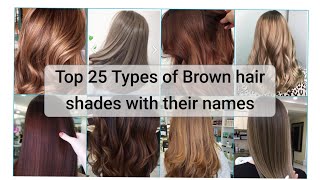
Understanding the Chestnut Palette
Chestnut is not a single color but a range of shades that sit between brown and red. The key characteristics include:
- Warm undertones that give the hair a sun‑kissed appearance.
- Subtle red highlights that become more pronounced in bright light.
- Depth and dimension that help hide gray roots and add visual texture.
Choosing Chestnut Based on Skin Tone
Matching hair color to skin tone is essential for a harmonious look. Below are general guidelines:
- Light to medium skin with cool undertones – Opt for a cooler chestnut with ashier brown bases to avoid an overly warm contrast.
- Medium to olive skin – A classic chestnut with balanced warm and cool notes complements the natural warmth of the complexion.
- Dark skin with warm undertones – Deeper chestnut shades that lean toward mahogany enhance the richness of the skin without appearing too light.
How to Achieve Chestnut Hair Color
There are three main methods to get a chestnut shade:
- Professional salon coloring – A colorist can blend permanent or demi‑permanent dyes to achieve precise shade control and ensure even coverage.
- At‑home dye kits – Many brands offer chestnut options with clear instructions. It’s important to perform a patch test and follow the recommended processing time.
- Gradual color boosters – Semi‑permanent shampoos or conditioners can add subtle chestnut tones over time, ideal for men who prefer a low‑maintenance approach.
Preparing for the Color Change
Before applying chestnut dye, follow these steps to protect hair health:
- Wash hair with a gentle, sulfate‑free shampoo to remove excess oil.
- Condition the ends to prevent dryness during the coloring process.
- Use a deep‑conditioning treatment a day before dyeing if hair is already damaged.
- Protect the scalp with a light barrier cream if you have a sensitive skin.
Maintenance Tips for Chestnut Hair
Keeping chestnut hair vibrant requires regular care:
- Use color‑safe shampoos that are free of harsh sulfates, which can strip the dye.
- Apply a UV protectant spray or leave‑in conditioner to shield the color from sun‑induced fading.
- Schedule touch‑ups every four to six weeks for permanent dye, or as needed for semi‑permanent products.
- Limit heat styling and always use a heat protectant to reduce damage that can dull the chestnut hue.
Styling Ideas That Complement Chestnut Hair
Chestnut works well with a range of hairstyles, from short buzz cuts to longer textured looks. Consider these pairings:
- Short, tapered cuts – The warm tone adds depth to a clean, low‑maintenance style.
- Messy medium length – Layered texture highlights the natural variation within the chestnut shade.
- Side part or slick back – A polished part accentuates the richness of the color while keeping the overall look sophisticated.
Potential Concerns and How to Address Them
While chestnut is generally low‑risk, some men may experience common issues:
- Fading – Use a color‑protecting shampoo and avoid excessive chlorine exposure.
- Root regrowth – Blend new growth with a semi‑permanent root touch‑up or schedule regular salon visits.
- Allergic reaction – Conduct a 48‑hour patch test before full application, especially if you have a history of skin sensitivity.
Choosing the Right Product
When selecting a chestnut dye, look for:
- Ingredients that include conditioning agents such as panthenol or aloe vera.
- A clear shade chart that shows the exact chestnut tone, from light caramel to deep mahogany.
- Positive reviews