Hair Color With Highlights And Lowlights: A Complete Guide
Introduction
Hair color with highlights and lowlights has become a go‑to technique for creating dimension, depth, and a natural‑looking finish. Whether you are a seasoned stylist or a DIY enthusiast, mastering the balance between brighter strands and deeper tones can transform any base color into a multi‑dimensional masterpiece. In this article we’ll explore why the combination works, how to choose the right shades, and the step‑by‑step process that delivers consistent results.
Why Combine Highlights and Lowlights?
Highlights add luminosity, while lowlights provide contrast. The calculated placement of both creates a seamless gradient that mimics the way sunlight naturally interacts with hair. Highlights lift the color and brighten the overall look, whereas lowlights deepen the base to prevent a flat, washed‑out appearance. This contrast is especially useful for blondes, brunettes, and even redheads who want a subtle, natural effect without the harsh lines that traditional foil techniques can produce.
Choosing the Right Shades
When selecting pigments, consider your client’s natural undertone and the desired end result. A common rule of thumb is to pick a highlight that is two to three levels lighter than the base and a lowlight that is one to two levels darker. For example:
- For a warm honey blonde base, choose a buttery blonde highlight and a caramel lowlight.
- For a cool ash brown, pair a platinum ash highlight with a deep espresso lowlight.
- For vibrant reds, a copper highlight combined with a mahogany lowlight adds depth without clashing.
These combinations ensure the color stays harmonious and avoids the overly brassy or overly dark outcomes that can occur when shades are mismatched.
Placement Techniques
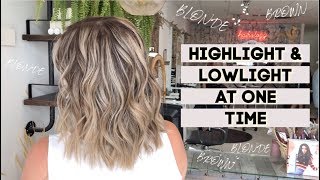
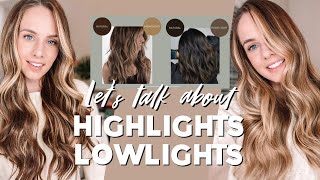
Strategic placement is key to achieving a natural flow. In this video, @MirellaManelli demonstrates how the calculated placement of highlights and lowlights can be customized for face shape, hair texture, and personal style. Here are three popular methods:
- Face‑Framing Balayage: Lighten strands around the front and blend toward the back, while adding lowlights just beneath the crown for added volume.
- Chunky Contrast: