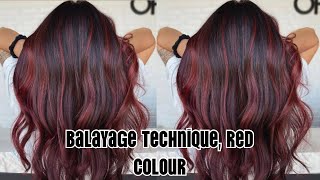
The Allure of Red Balayage
Red hair has always possessed a particular magnetism, evoking images of fiery sunsets and autumnal leaves. When this vibrant colour is paired with the hand-painted technique of balayage, the result is a sophisticated, multi-dimensional look that has captured the attention of hair colour enthusiasts worldwide. This approach offers a modern twist on classic red tones, creating natural-looking highlights that move and flow with the hair. Understanding what red balayage entails can help you decide if this low-maintenance yet high-impact style is the right choice for your next colour transformation.
What Sets Red Balayage Apart
Unlike traditional foil highlights which often produce a more uniform, stripe-like effect, balayage involves sweeping colour onto the hair in a freehand manner. The term "balayage" itself comes from the French word for "sweeping," which perfectly describes the technique. When applied to red hair, this method allows for a seamless blend of shades, from deeper, richer tones at the roots to lighter, more vibrant hues towards the ends. This creates a sun-kissed effect that appears incredibly natural, even when using striking red pigments.
One of the primary appeals of red balayage is its versatility. Because the colour is painted on strategically, it can be tailored to flatter any face shape, hair length, or base colour. The technique allows for soft, subtle transitions or bolder contrasts, depending on the desired outcome. For example, a soft copper balayage can brighten a natural brunette base, while a vivid crimson balayage can add depth and dimension to already red hair.
The Technique: How Professionals Create Red Balayage
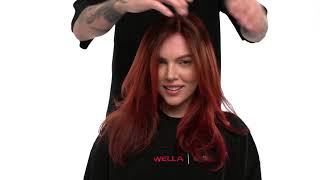
Creating a successful red balayage requires skill and an understanding of colour theory. The process typically begins in a salon, where the colourist assesses the client's natural hair colour, skin tone, and desired level of brightness. The artistry lies in how the red hue is applied.
First, the hair is sectioned. The colourist then takes small subsections and paints the red colour onto the mid-lengths and ends, often leaving the roots dark or minimally coloured to create a shadowed root effect. This technique is crucial for achieving that low-maintenance grow-out. The saturation of the colour can be varied along the hair shaft, with more pigment concentrated at the ends for a lighter, more vibrant finish. Some stylists may use a lightener to pre