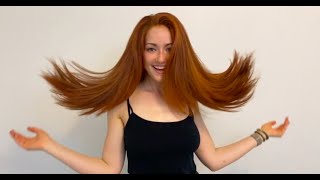
Henna Chestnut Brown Hair Color: A Natural Way to Achieve Rich Warmth
When you want a hair shade that blends the deep, earthy tones of chestnut with the subtle, sun‑kissed glow of brown, henna offers a compelling alternative to synthetic dyes. The henna chestnut brown hair color is prized for its ability to create a natural, multi‑dimensional look while delivering the conditioning benefits that only plant‑based pigments can provide. In this article we explore what makes henna suitable for chestnut brown, how it works, and the steps you need to follow for a vibrant, lasting result.
Understanding Henna as a Hair Colorant
Henna is derived from the leaves of the Lawsonia inermis plant. When the leaves are dried, powdered, and mixed with an acidic liquid, the molecule lawsone is released. Lawsone binds to the keratin in hair, creating a semi‑permanent stain that typically lasts four to six weeks. Unlike many commercial dyes, henna does not contain ammonia, peroxide, or heavy metals, which means it is less likely to cause scalp irritation or damage the hair shaft.
Why Chestnut Brown Stands Out
Chestnut brown sits between a classic brown and a deep auburn, featuring subtle red undertones that catch the light. This shade works well for a wide range of skin tones, from warm olive to cool porcelain, because the red hints add warmth without overwhelming the natural hair color. When henna is used to achieve chestnut brown, the final hue can vary slightly depending on your original hair color, the quality of the henna, and any additional botanical additives you choose to blend.
Benefits of Choosing Henna for Chestnut Brown
- Gentle on the scalp: The absence of harsh chemicals reduces the risk of allergic reactions.
- Conditioning effect: Henna coats each strand, helping to seal the cuticle and improve shine.
- Gradual fade: As the color fades, it typically transitions to a softer, more natural brown, allowing for easy touch‑ups.
- Environmental friendliness: Plant‑based pigments are biodegradable and have a smaller ecological footprint than synthetic dyes.
Preparing the Henna Mix for Chestnut Brown
To achieve a true chestnut brown, start with a high‑quality, pure henna powder. You may also incorporate small amounts of other botanical powders, such as indigo or amla, to fine‑tune the shade. A typical recipe looks like this:
- Mix 100 g of henna powder with enough warm water to form a smooth, yogurt‑like paste.
- Add a teaspoon of lemon juice or apple cider vinegar to help release the lawsone.
- Cover the bowl with plastic wrap and let the mixture sit for 2–4 hours. This oxidation period deepens the color.
- If you want a cooler chestnut tone, blend in 10–15 g of indigo powder after the oxidation step.
- Stir thoroughly and test a small strand of hair before full application.
Step‑by‑Step Application Process
Applying henna correctly is essential for an even chestnut brown finish. Follow these steps:
- Wash your hair: Use a gentle, sulfate‑free shampoo to remove oils that could block the pigment.
- Dry slightly: Hair should be damp, not soaking wet, to allow the paste to adhere.
- Section the hair: Divide into manageable sections and secure with clips.
- Apply the paste: Starting at the roots, work the henna mixture through each section using a brush or gloved hands. Ensure every strand is coated.
- Cover and wait: Wrap the hair in a plastic cap or a warm towel. Let the henna develop for 3–4 hours; longer times deepen the chestnut hue.
- Rinse thoroughly: Use lukewarm water to rinse out the paste. Avoid shampooing for at least 24 hours to allow the color to set.
Tips for Maximizing Longevity and Shine
Even though henna is naturally gentle, a few practices can extend the life of your chestnut brown color:
- Condition regularly: A deep‑conditioning mask once a week helps maintain moisture and prevents the color from fading unevenly.
- Avoid excessive heat: Frequent use of hot tools can accelerate color loss; use a heat protectant when styling.
- Protect from UV exposure: Sunlight can bleach pigments, so wearing hats or using UV‑protective hair products can preserve vibrancy.
- Limit washing frequency: Washing less often reduces the amount of pigment stripped from the hair.
Common Mistakes to Avoid
Many first‑time henna users encounter challenges that can affect the