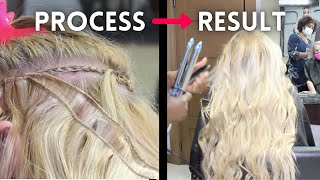
What Are Sew‑In Hairstyles?
Sew‑in hairstyles involve attaching wefts of hair to a braid or cornrow base using a fine, durable thread. The technique has been a staple in the Black hair community for decades, and in 2024 it continues to evolve with new textures, colors, and styling options. Unlike clip‑ins or tape‑ins, a sew‑in is sewn directly onto the scalp, providing a secure foundation that can last several weeks with proper care.
Why Sew‑In Remains Popular in 2024
Several factors keep the sew‑in at the top of the hair‑extension market:
- Longevity: When installed correctly, a sew‑in can stay in place for four to six weeks, reducing the need for frequent re‑applications.
- Versatility: The method works with a wide range of hair types—from ultra‑fine human hair to thicker synthetic blends—allowing clients to achieve anything from sleek straight looks to voluminous curls.
- Scalp Health: Because the hair is sewn onto a braid rather than glued or taped, there is less tension on the natural hair and fewer chemicals that could irritate the scalp.
- Style Retention: Sew‑ins hold their shape well, making it easier to maintain styles such as high ponytails, braids, or up‑dos without constant readjustment.
Top Trends for Sew‑In Hairstyles This Year
Stylists and clients alike are embracing fresh ideas that keep the sew‑in modern and fashion‑forward. Below are the most requested trends for 2024:
- Chunky Braided Bases: Thick cornrows or box braids serve as a bold canvas for the added hair, creating a dramatic, textured look that works well with both short and long extensions.
- Balayage and Ombre Effects: Colorists are blending subtle highlights into sew‑in hair, giving a natural sun‑kissed appearance that grows out gracefully.
- Mixed‑Texture Layers: Combining straight and wavy wefts within a single sew‑in adds depth and movement, especially popular for beach‑wave styles.
- Micro‑Weft Installation: Smaller, thinner wefts are being sewn in to achieve a lightweight feel, ideal for clients who want volume without extra weight.
- Protective Up‑Dos: High buns, twisted crowns, and halo braids protect the natural hair while showcasing the length and fullness of the extensions.
Choosing the Right Hair Type for Your Sew‑In
Not every hair extension is created equal. Selecting the appropriate hair type ensures comfort, durability, and the desired aesthetic.
- Human Hair: Offers the most natural look and can be styled with heat tools. Look for Remy‑grade hair to maintain cuticle alignment and reduce tangling.
- Synthetic Blends: Provide a cost‑effective alternative and often come pre‑styled. Modern synthetics mimic the texture of natural hair and resist heat, making them ideal for low‑maintenance clients.
- Length and Weight: A longer weft adds more length but also more weight. Discuss the client’s lifestyle and activity level to determine the optimal balance.
Installation Tips for a Seamless Sew‑In
Professional installation is key to a long‑lasting sew‑in. Here are essential steps that stylists should follow:
- Prepare the scalp by cleaning and moisturizing to reduce friction.
- Create a braid or cornrow base that matches the client’s head shape and desired style.
- Use a fine, stainless‑steel thread and a curved needle to sew the wefts close to the scalp, ensuring even spacing.
- Secure each weft with a few stitches, then gently tug to confirm the hair lies flat against the braid.
- Finish with a light mist of a silicone‑based spray to add slip and prevent tangling.
Caring for Your Sew‑In in 2024
Proper maintenance extends the life of a sew‑in and keeps the natural hair healthy. Follow these guidelines:
- Gentle Cleansing: Use a sulfate‑free shampoo and focus on the scalp, allowing the lather to flow down the extensions without excessive rubbing.
- Moisturize Regularly: Apply a lightweight leave‑in conditioner to the braid base and the added hair, especially in dry climates.
- Protect at Night: Sleep on a satin pillowcase or wrap the hair in a silk scarf to reduce friction and prevent frizz.
- Avoid Heat Overload: While human hair can tolerate heat, limit the use of flat irons and curling wands to prevent damage to both the extensions and the natural hair.
- Schedule Maintenance: Plan a touch‑up appointment every four to six weeks to re‑braid loose sections and replace